Research
Impact of Geomagnetic Storm of 2023 on Vertical Total Electron Content over Bangladesh: A GPS-Based Analysis
Abstract:
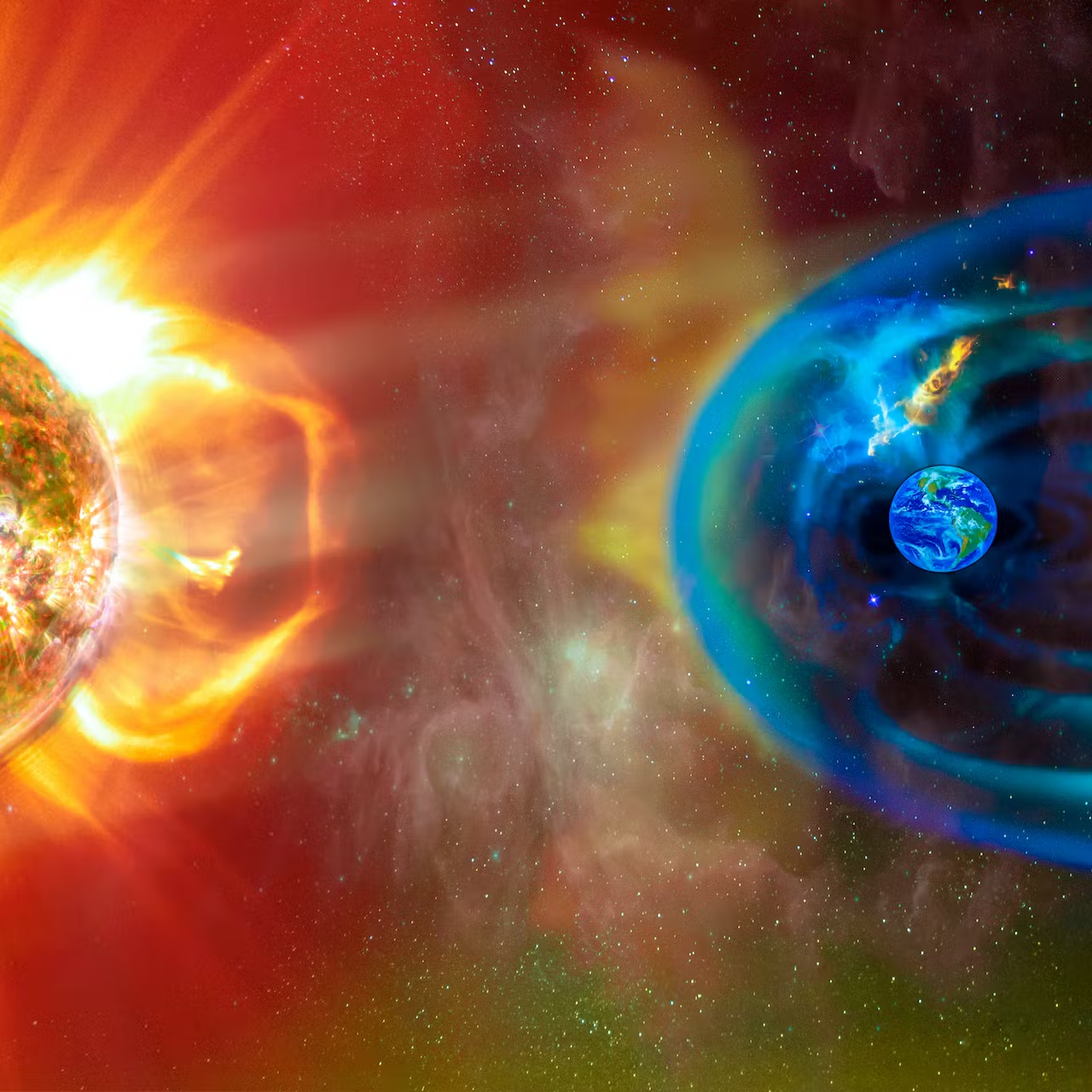
This study examines the influence of two geomagnetic storms that occurred in March 23-25 and April 23-25, 2023, on the vertical Total Electron Content (VTEC) over multiple stations in Bangladesh, namely HRNP, KHL2, PD32, PUST, and SNT1. The analysis utilizes GPS-based data to examine the effects of the storm. Solar data was obtained from the Omniweb database, while TEC data was sourced from the UNAVCO database. The study employed continuous wavelet and power spectral density (PSD) analyses to investigate the relationship between solar wind parameters and VTEC data. The findings reveal a strong negative correlation between solar wind parameters and VTEC at all stations during both storm events. The study observed a decrease in VTEC of up to 83.6% during the storm on April 23-25 and an 88.20% decrease during the storm on March 23-25, 2023, compared to the VTEC on a quiet solar day, specifically March 21, 2023. This decline in VTEC is attributed to theredistribution of ionospheric plasma caused by the geomagnetic storms. Furthermore, the studyconfirms that VTEC levels increase during the day and remain low during the night. This research provides valuable insights into the complex interactions between solar activity and the Earth's atmosphere, contributing to our understanding of these phenomena.
Note: This abstract was accepted for presentation at Atmospheric Environmental Remote Sensing Society's conference. You can find it in the Accepted Abstracts section of this website. Click Here
Ionospheric and Meteorological Response to Total Solar Eclipses
Abstract:
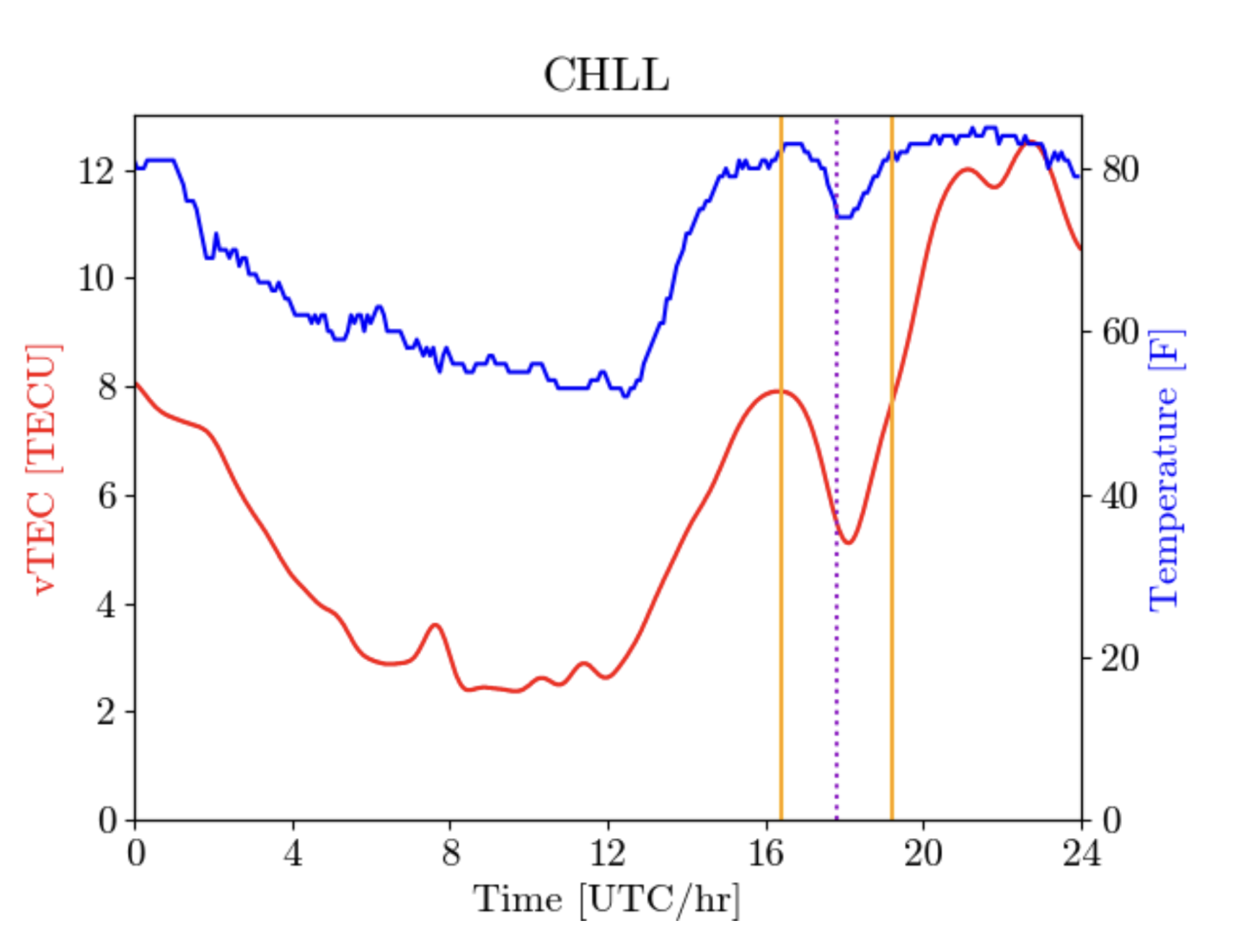
Studies concerning solar eclipses have been rising significantly, yet, different circumstances during their occurrence provide uniqueness to every study. This paper studies the ionospheric and meteorological response to the total solar eclipses of 21 August 2017, 20 March 2015 and 1 August 2008. The ionospheric total electron content (TEC) was calculated from the signals beamed by the dual-frequency Global Positioning System (GPS) satellites and accessed from University NAVSTAR Consortium (UNAVCO) data archive. Similarly, the data of meteorological parameters were accessed from the historical climate archive of respective countries. The TEC drop of ~2-7 TECU with a lag of ~15-30 minutes is observed at varying latitudes which correspond with the findings of numerous past research. We analyzed the data of 15 stations under ~100% obscuration to rule out the varying effects of different obscuration rates. Yet, given the turbulent nature of climate, we found varying changes at observed locations. A good correlation, however, was observed in 8 of the stations, where temperature drop ranged from 0 to ~70F, and rise in relative humidity ranged from 0 to ~77%. Wind speed has shown the most turbulent behavior. Their change was largely impacted by the eclipse on 5 of the stations, while the local factor was dominant on the others. While local weather conditions have more dominance in determining climatic variability, the stations under observation showed distinct responses to the ionospheric change during the total solar eclipses, thus demonstrating the relation of meteorological parameters with eclipses.
Note: This paper is under peer review for publication, and it has been accepted for presentation in AGU's annual conference. You can view the paper in this site. Click here
Comparative Study on the Germination of Space-Flown Basil Seeds and Ground Control Seeds
Introduction
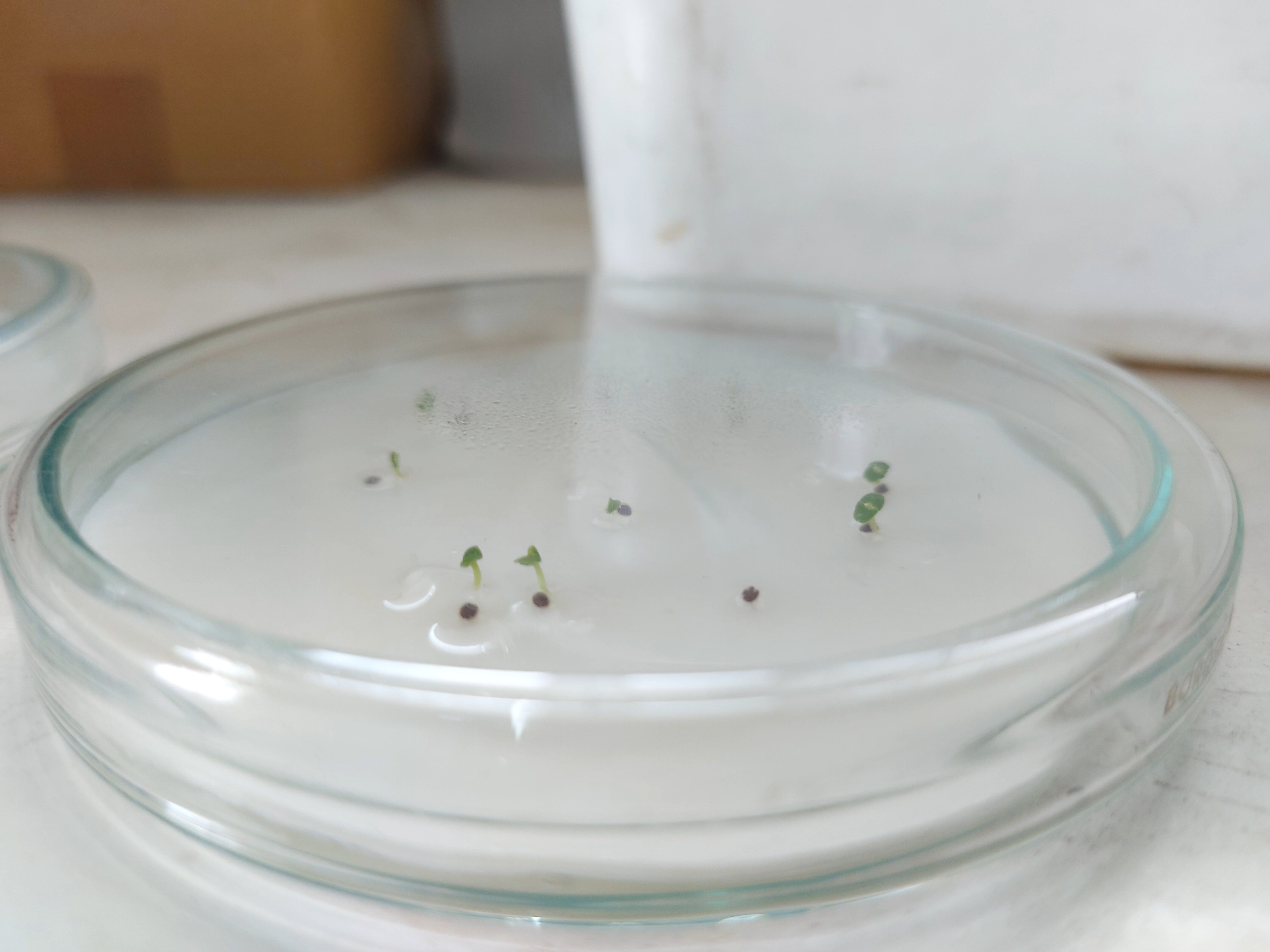
When the Japanese Space Exploration Agency (JAXA) provided an opportunity for asian countries to send their herb seeds for a ride to the International Space Station (ISS), Nepal Scientific Activities and Research Center (NESARC) from Nepal took an initiative to send tulasi (Holy Basil) seeds to the space. The seeds of holy basil were sent to the ISS, and exposed to radiation and microgravity for a month, and then they were returned to Earth. We received the seeds and in we are germinating them in the Microbiology lab of our college to study as well as compare and contrast the physical and chemical changes in the seeds due to the environment they were exposed to. As of now, we have grown the space flown seeds and ground control seeds side by side, and now the team is shifting towards studying the difference in chemistry of the two plants. As a student with no background in biology, I took the lead in providing the team with information on the radiations and conditions on outer space, and also I served as a reporter, constantly providing research updates to SEDS Nepal, who provided those seeds to us. This project is still going on, and may still take six months to complete.
Use of Nanosatellites with Nano-Electro-Mechanical-Systems for Planetary Science Missions.
Abstract:
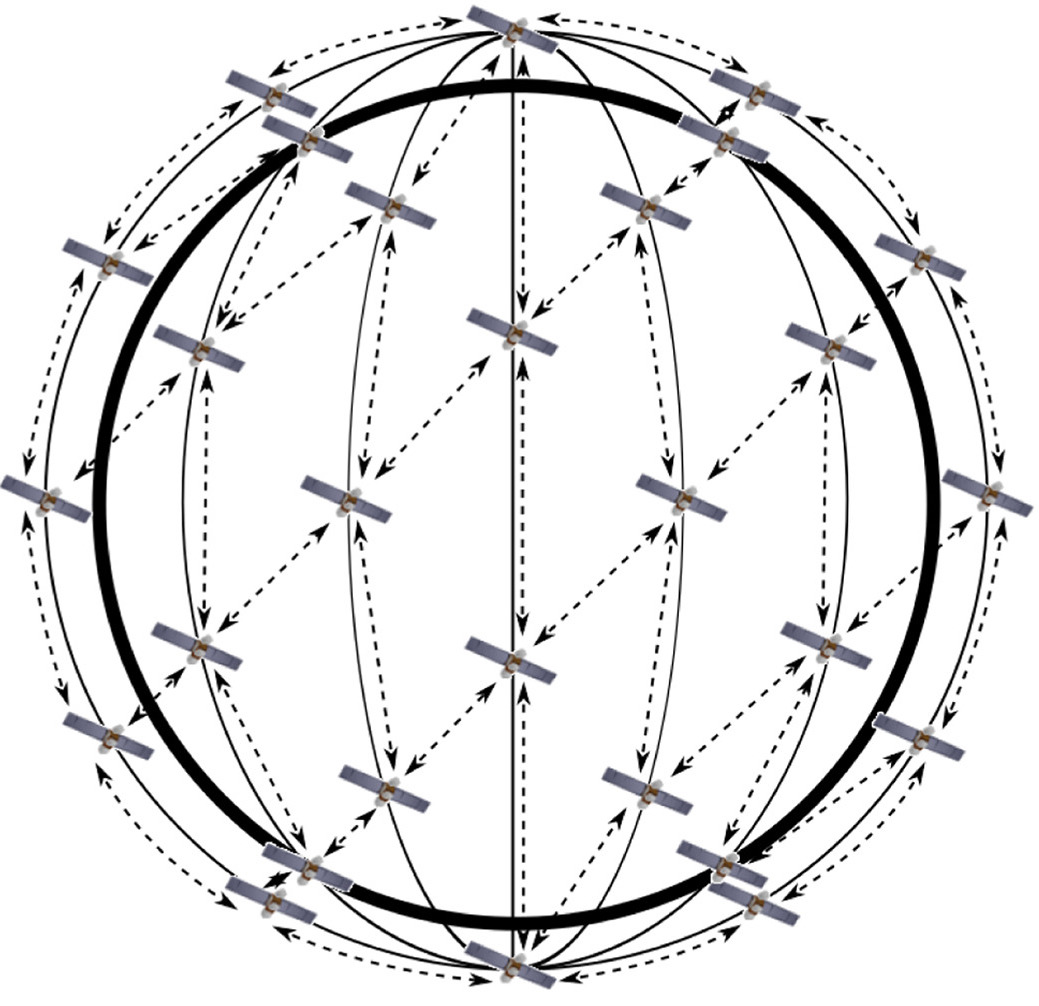
This report is focused to support the idea of development of an end-to-end system including a swarm of 1U nanosatellites and a cooperative infrastructure for planetary science mission: data acquisition, processing, and distribution. The radio-frequency communication subsystem onboard will help swarm members to maintain relative position and higher orbital stability with the help of Vacuum Arc Thrusters (VAT). So formed swarm topology helps to observe the ground target from different angles at the same time, moreover increasing the swath width. This swarm needs a “mother” satellite to communicate with ground-based receivers on earth using the Deep Space Network (DSN). The main expectation associated with this project is to replace large spacecraft with a distributed system of small satellites with miniaturized systems. This constellation helps the countries which have not entered the space race to carry out study and research because the development and deployment of large satellites and spacecrafts need lots of money and man working hours makes them unaffordable. The associated risk of failure makes them more challenging. The nanosats with low cost, shortened development time and small size are easy to place and replace from orbit. They provide researchers with apt data and help plan bold missions to take giant leaps in space exploration.
Note: I had presented this research in National Young Scientists Summit 2021.